Flat rate car service in NJ means your price is confirmed at booking and does not change, no matter how long the trip takes or how busy the roads are. This is different from metered pricing, which charges based on time and distance as you go, and surge pricing, which raises the price automatically during high demand periods like rush hour or holidays.
Understanding the difference matters before you book, especially for something time sensitive like an airport ride or an event you cannot be late for. Here is how each pricing model actually works.
How Flat Rate Pricing Works
Flat rate pricing means you agree on a price before the ride starts, based on your pickup location, drop off location, and vehicle type. That price is locked in regardless of traffic, detours, or how long the trip ends up taking. If your ride from Jersey City to Newark Liberty International Airport normally takes 20 minutes but hits unexpected traffic and takes 40, your fare stays the same.
This model works well for airport transfers, weddings, corporate travel, and any trip where you want to know your total cost in advance. Empire State Transport uses flat quoted pricing for its rides, with no hidden fees added after the fact.
How Metered Pricing Works
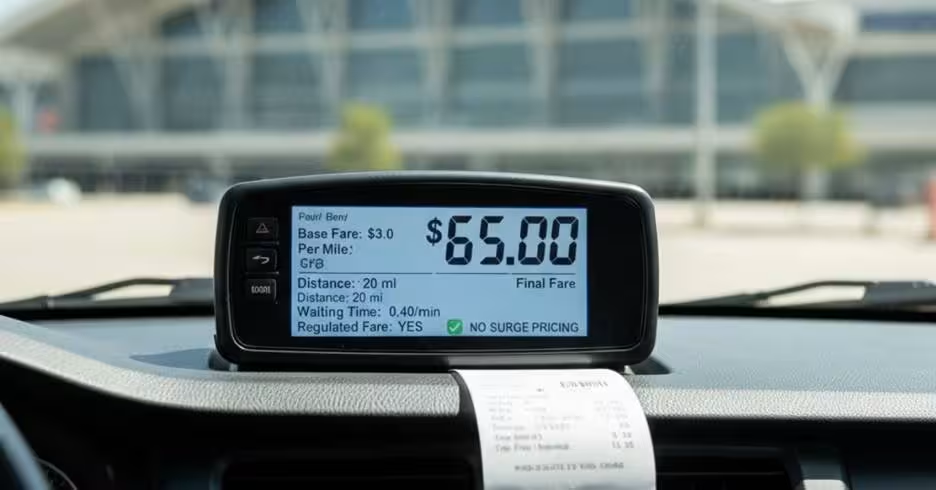
Metered pricing, most commonly used by traditional taxis, calculates your fare as the trip happens, based on a combination of time and distance. The meter keeps running whether you are moving at full speed or sitting in traffic, which means a delay on the road directly increases your final cost. This makes metered pricing harder to predict in advance, especially in areas with unpredictable traffic like the Holland Tunnel or Lincoln Tunnel approaches into Manhattan.
How Surge Pricing Works
Surge pricing is used by rideshare apps and adjusts your fare automatically based on real time demand. During busy periods, such as Friday evening rush hour, a major snowstorm, or New Year’s Eve, prices can increase significantly compared to a normal day. The exact multiplier is not something you control, and it can change between the moment you check the price and the moment you actually request the ride.
This is one of the most common frustrations with rideshare apps for airport trips, since flight delays and bad weather often line up with exactly the conditions that trigger surge pricing.
Why Pricing Predictability Matters for Certain Trips
For a casual trip across town, a few extra dollars from surge pricing or a longer meter run is usually not a big deal. For an airport pickup, a wedding, or a corporate event, pricing unpredictability becomes a real planning problem. If your flight lands during a surge window, or your ride home from a wedding falls on a busy Saturday night, the cost difference between a flat rate and a surge adjusted fare can be substantial.
Flat rate pricing removes this variable entirely. You know your cost before the ride, which makes budgeting for a trip, especially a recurring one like a regular airport run or a corporate account, much simpler.
Which Pricing Model Is Best for Your Trip?
For time sensitive trips like airport transfers, weddings, and corporate travel, flat rate pricing is generally the most reliable choice, since your cost is confirmed regardless of traffic or demand. For short, spontaneous trips around town where flexibility matters more than certainty, metered or rideshare pricing can still make sense.
Empire State Transport provides flat rate pricing across its black car service and airport limo service, so riders know their total cost before the trip begins, with no hidden fees or surge charges added afterward.
Frequently Asked Questions
What is flat rate car service pricing? Flat rate pricing means your price is agreed upon before the ride starts and does not change based on traffic, trip length, or demand.
How is metered pricing different from flat rate pricing? Metered pricing charges based on time and distance as the trip happens, so delays from traffic directly increase your final fare, unlike flat rate pricing which stays fixed.
Why do rideshare apps charge surge pricing? Surge pricing increases fares automatically during high demand periods, such as rush hour, bad weather, or holidays, based on real time supply and demand in the app.
Does Empire State Transport use flat rate pricing? Yes. Empire State Transport quotes a flat rate at booking for its car service, with no hidden fees or surge charges added after the ride.
Is flat rate pricing better for airport trips? Flat rate pricing is generally more reliable for airport trips, since flight delays and traffic will not change your confirmed price, unlike metered or surge based pricing.